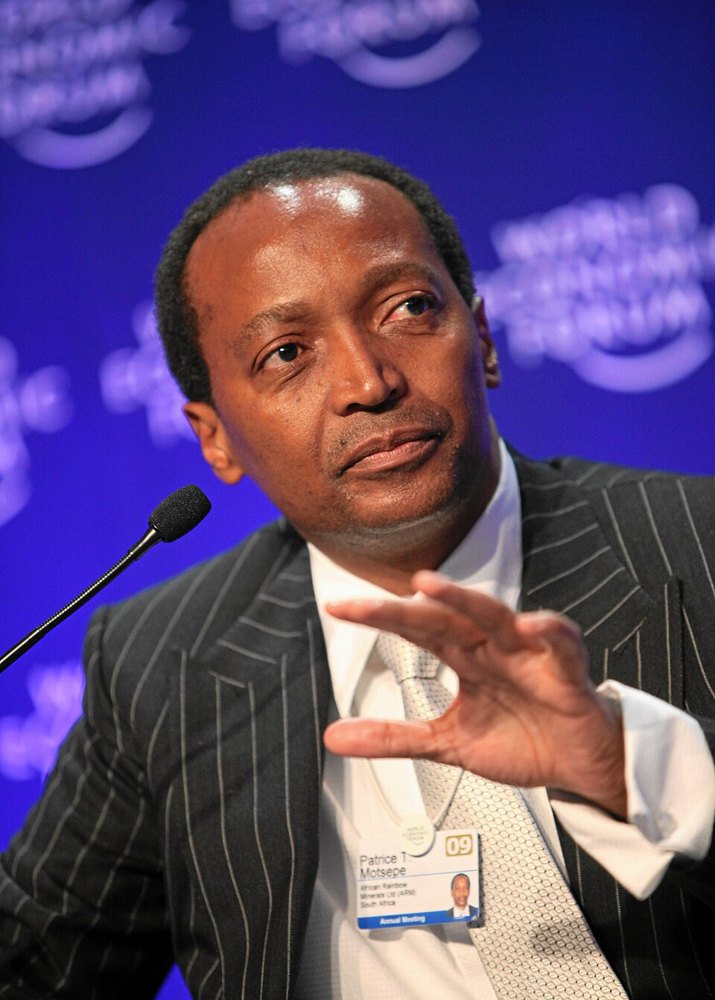
African Rainbow Minerals traces its entrepreneurial roots to Patrice Motsepe’s mining business established in 1997. Its interests include platinum-group metals, iron ore, manganese and coal. The diversified mining company developed through acquisitions and partnerships. Motsepe’s association with ARM is a major part of his business history, while individual mining interests may be shared with partners.
Abdul Samad Rabiu founded BUA Group in 1988 as a commodity trading business. It grew into a Nigerian industrial group with operations in cement, sugar, food processing and infrastructure. The group’s listed cement and food businesses form important parts of Rabiu’s business interests, serving construction and consumer markets.
Capitec began banking operations in South Africa in 2001. Its founders included Michiel Le Roux, Jannie Mouton and Riaan Stassen. The bank expanded through accessible financial services and simplified banking products. Its founders’ personal investments are distinct from the bank’s customer deposits and total balance-sheet assets.
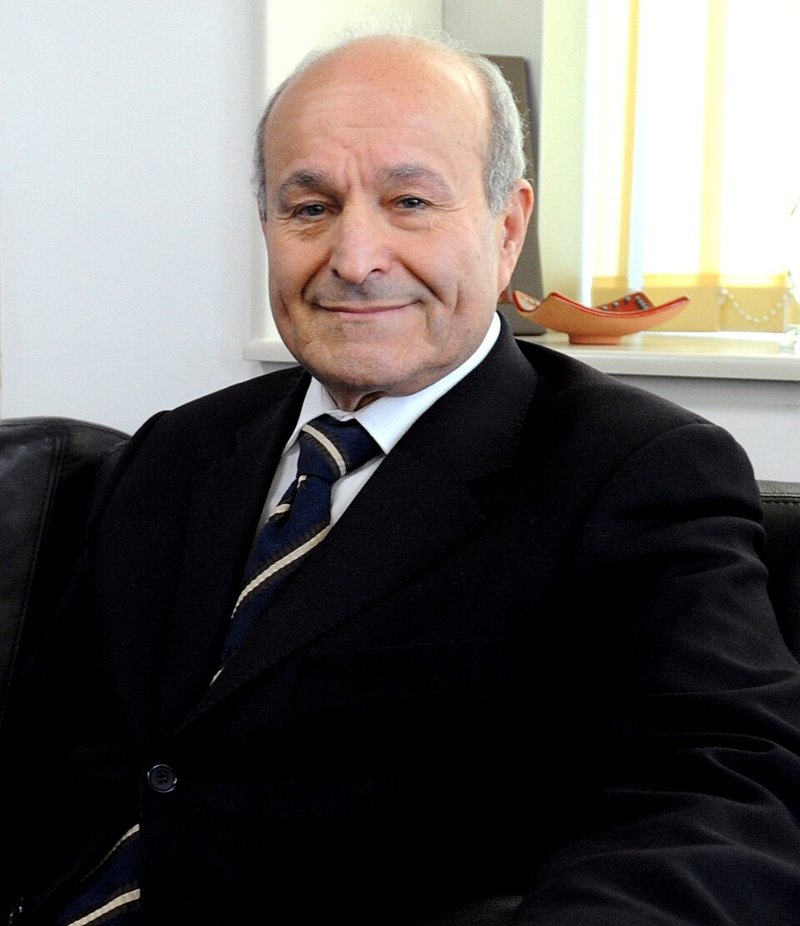
Issad Rebrab established Cevital in Algeria in 1998. The group expanded from food-processing activities into consumer goods and industrial manufacturing. Its development is closely associated with Rebrab’s entrepreneurial career. Cevital’s corporate operations and investments should not be treated as direct measures of its founder’s personal wealth.
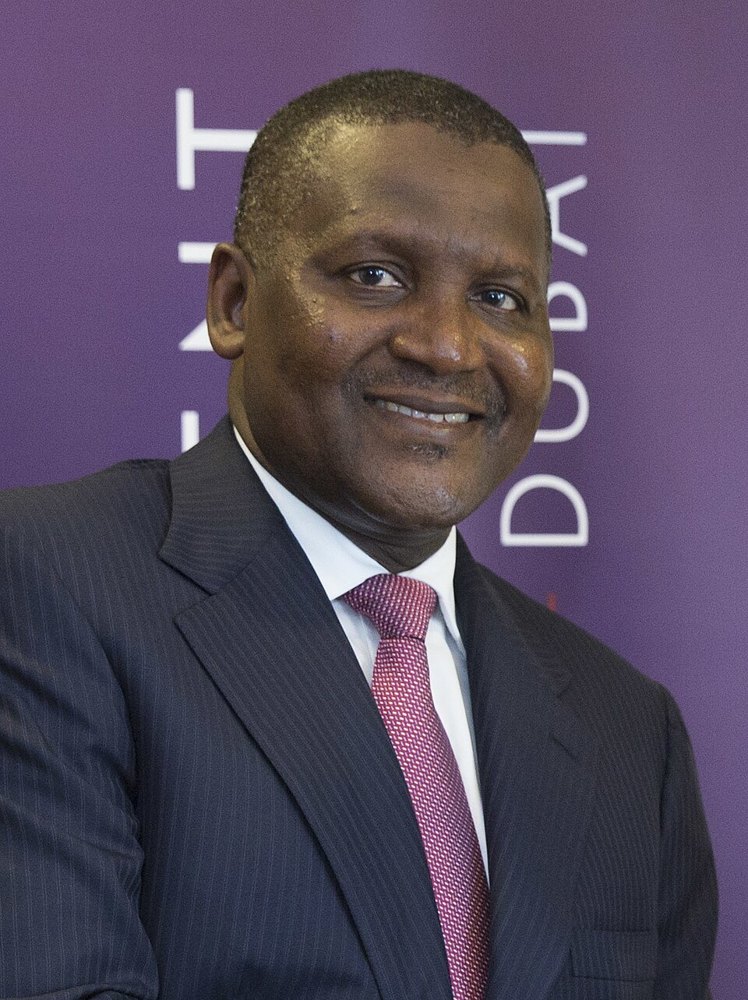
Aliko Dangote established Dangote Group as a trading enterprise in 1981. It expanded into cement, sugar and other manufacturing businesses, alongside the refinery and petrochemical operations in Lagos. Its industrial investments are central to Dangote’s wealth. The group’s corporate assets and revenues are distinct from his personal net worth.
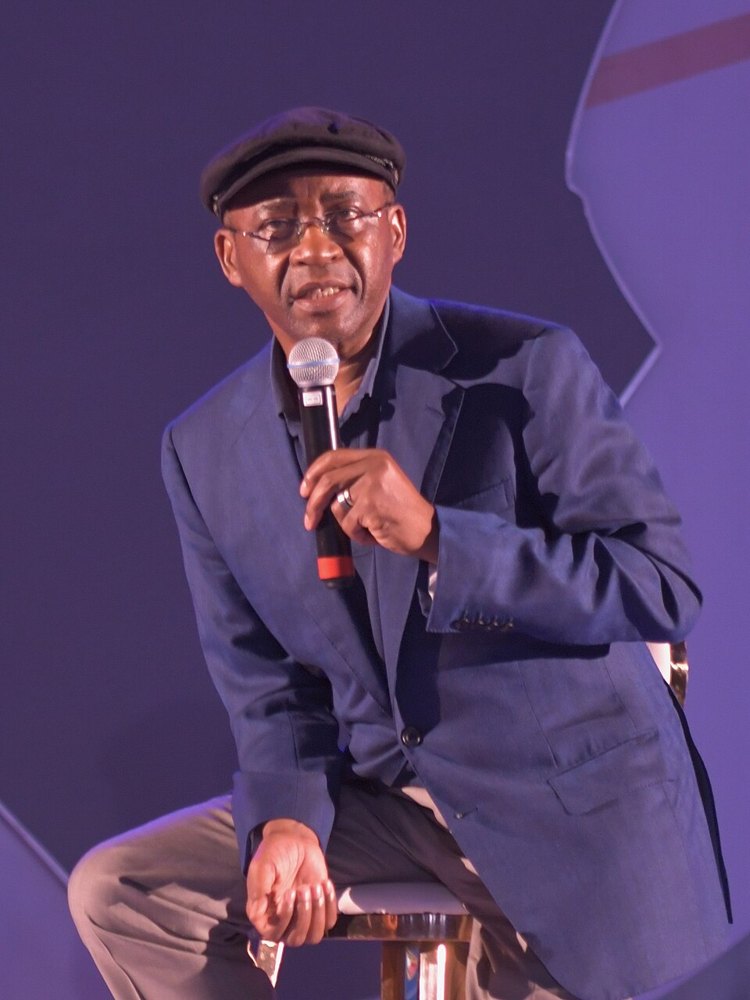
Strive Masiyiwa founded Econet in 1993 and fought a prolonged legal battle to open Zimbabwe’s telecommunications market to private competition. Its Zimbabwe mobile network began operating in 1998. The wider business developed international communications and technology interests. The group and its individual operating companies have different corporate structures.
Famfa Oil is a Nigerian oil exploration and production company incorporated in 1991. The Alakija family business is associated with the offshore Agbami field. Folorunso Alakija’s involvement is central to her wealth profile. The field operates with partners, so the family’s interest should not be read as ownership of the entire field.
Flutterwave was founded in 2016 by a team including Olugbenga Agboola, Iyinoluwa Aboyeji and Adeleke Adekoya. It builds payments infrastructure for businesses operating across African markets, addressing merchant payments and cross-border transactions. Fundraising valuations describe company financing, not the founders’ personal wealth, which depends on ownership, dilution and other assets and liabilities.
Geregu Power operates a gas-fired power plant in Kogi State, Nigeria. It originated in the public sector and later passed into private ownership through the power-sector privatisation programme. Femi Otedola became associated with the business as an investor and chairman, rather than its original founder. Geregu produces electricity for the national grid.
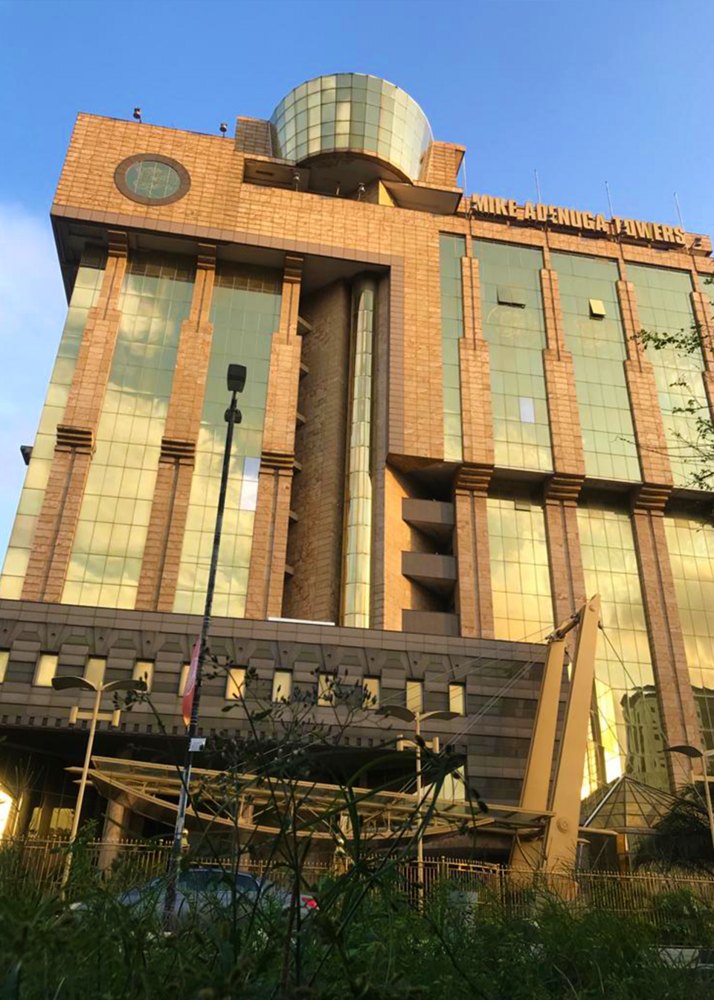
Mike Adenuga founded Globacom, which launched mobile services in Nigeria in 2003. The privately held company operates the Glo network and has invested in broadband and international connectivity, including the Glo-1 submarine cable. Telecommunications forms a significant part of Adenuga’s business empire alongside his interests in other sectors.
Tony Elumelu established Heirs Holdings in 2010 as an African investment company. Its interests span financial services, energy, hospitality and real estate. It is distinct from United Bank for Africa, although Elumelu’s business history includes both organisations. The group is associated with long-term private-sector investment in African economies.
Mitchell Elegbe founded Interswitch in Nigeria in 2002. The company developed electronic payments infrastructure connecting banks, businesses and consumers, with services including Verve and Quickteller. Its activities cover payment processing and other digital financial services. Interswitch’s corporate valuation is separate from estimates of its founder’s personal wealth.
Loutfy Mansour founded the Mansour family business in Egypt in 1952. Later generations expanded it into distribution, automotive businesses, industrial equipment and investments. Mohamed, Youssef and Yasseen Mansour are associated with the family’s business empire, but their father was its original founder. Individual family interests may sit in different companies.
MeTL Group began as a small trading company founded by Gulamabbas Dewji in Tanzania in the 1970s. His son Mohammed Dewji joined in 1999 and helped expand it across manufacturing, agriculture and trading. Many consumer products are sold under the Mo brand. Mohammed drove its modern growth, but his father founded the original enterprise.
Naspers began in South Africa in 1915 as a publishing business. It later expanded into broadcasting and international internet investments. Koos Bekker helped drive its transformation and investment strategy but was not the founder of the original company. Its history connects a long-established media enterprise with a modern global technology portfolio.
OCI’s listed holding-company structure emerged in 2013 from Orascom Construction Industries, part of the Sawiris family’s corporate history. The group developed nitrogen fertiliser, methanol and related industrial operations. Nassef Sawiris is associated with its leadership and investments. Modern OCI should be distinguished from the earlier construction enterprise founded by his father, Onsi Sawiris.
Orascom Investment Holding emerged in 2011 within the Sawiris family’s corporate history. The Egyptian investment business is associated with Naguib Sawiris and investments across different sectors. It should be distinguished from other companies sharing the Orascom name, including construction and development businesses. Its portfolio and Sawiris’s personal investments are related but not interchangeable.
Shola Akinlade and Ezra Olubi founded Paystack in 2015 to help African businesses accept digital payments. Its tools support merchant payments through channels including cards and bank transfers. Paystack joined Y Combinator’s 2016 programme and was acquired by Stripe in 2020. The acquisition is not a direct measure of either founder’s personal net worth.
Remgro became a focused investment holding company through the restructuring of Rembrandt in 2000. Its origins go back to Anton Rupert’s business, incorporated as Rembrandt in 1948. Remgro holds investments across several sectors of South Africa’s economy. Johann Rupert is associated with its leadership, while Anton Rupert belongs to its predecessor’s founding history.
Johann Rupert founded Richemont in 1988 through a spin-off of the international assets of South Africa’s Rembrandt Group. The Swiss-based company developed into a luxury group whose maisons include Cartier, Van Cleef & Arpels and specialist watchmakers. Its South African connection comes through the Rupert family and the origins of the group’s assets.
Shoprite’s group history began in 1979 with the acquisition of a small supermarket chain by Pep Stores. It expanded into a major African food retailer with brands including Shoprite, Checkers and Usave. Christoffel Wiese is associated with its investment and leadership history, rather than the founding of the original stores.